 By create_admin
The right lighting makes your yard safer and better-looking — and it doesn’t have to look like a runway. Here’s how to get it right.
Step 1: Know the Types
- Ambient: General lighting (string lights, lanterns)
- Task: For doing stuff (grill lights, pathway markers)
- Accent: Highlight features (uplights on trees, spotlights on art)
Layer them like a good indoor space.
Step 2: Choose Your Style
- Warm White (2700K–3000K) looks cozy and inviting
- Avoid blue-white bulbs (4000K+) unless it’s for security
Step 3: Pick Your Power Source
- Solar: Easy, no wiring — but limited brightness
- Low Voltage: Brighter, safer to install, needs a transformer
- Hardwired: Most powerful, needs an electrician
Step 4: Where to Light
- Paths: Low stake lights every 6–8 feet
- Seating Areas: Overhead string lights or lanterns
- Grill Station: Task light directly above
- Focal Points: Uplight trees, art, or water features
Step 5: Install It Right
- Use timers or smart plugs
- Hide wires
- Don’t overdo it — leave dark pockets for contrast
Final Thoughts
Good lighting isn’t just about visibility. It’s how your yard comes alive after dark. Use it to shape space, create mood, and make everything more usable.

Homsolver 16th Birthday Gifts for Girls, Vanilla Cream Scent Best Ideas Birthday Presents for Daughter, Friends, Sister, Handmade Aromatherapy Candle Decorations
$14.99 (as of October 12, 2026 23:06 GMT +00:00 - More infoProduct prices and availability are accurate as of the date/time indicated and are subject to change. Any price and availability information displayed on [relevant Amazon Site(s), as applicable] at the time of purchase will apply to the purchase of this product.)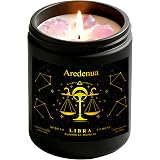
Libra Zodiac Candles with Rose Quartz Crystals, Warm Cozy Scent | Astrology Libra Birthday Gifts for Women Men, Black Gift Box, 7 oz Soy Candle, 50 Hour Burn Time, Black Jar
$12.99 (as of October 12, 2026 23:06 GMT +00:00 - More infoProduct prices and availability are accurate as of the date/time indicated and are subject to change. Any price and availability information displayed on [relevant Amazon Site(s), as applicable] at the time of purchase will apply to the purchase of this product.)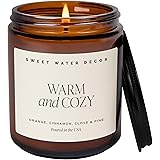
Sweet Water Decor Warm & Cozy Candle, 9oz Amber Glass Jar, Winter Scents | Cozy Scented Candle with Orange Peel, Cinnamon, Ginger & Clove Notes, Black Lid, 40+ Hour Burn Time, Poured in the USA
$19.99 (as of October 12, 2026 23:06 GMT +00:00 - More infoProduct prices and availability are accurate as of the date/time indicated and are subject to change. Any price and availability information displayed on [relevant Amazon Site(s), as applicable] at the time of purchase will apply to the purchase of this product.)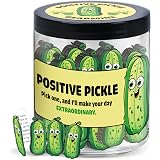
DEARMINE 60 Positive Pickle Cards Jar, Birthday Gifts for Women, Teens, Adults, Back to School Gift, White Elephant Gifts, Stocking Stuffers, Teen Girl Gifts Trendy Stuff
$9.99 (as of October 12, 2026 23:06 GMT +00:00 - More infoProduct prices and availability are accurate as of the date/time indicated and are subject to change. Any price and availability information displayed on [relevant Amazon Site(s), as applicable] at the time of purchase will apply to the purchase of this product.)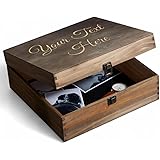
Personalized Wooden Keepsake Box, Custom Engraved Memory Box with Lid | Treasure Chest, Men's Jewelry and Letter Storage, Baby Keepsake, Wedding, Birthday, Graduation, Retirement, Time Capsule Gift
$19.99 (as of October 12, 2026 23:06 GMT +00:00 - More infoProduct prices and availability are accurate as of the date/time indicated and are subject to change. Any price and availability information displayed on [relevant Amazon Site(s), as applicable] at the time of purchase will apply to the purchase of this product.)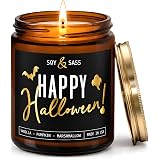
Happy Halloween Candle - Vanilla Pumpkin Marshmallow Scent, Made in USA | Vanilla, Juicy Pumpkin & Sweet Marshmallow Soy Wax Scent Notes, Perfect Halloween Gifts for Women,
$19.99 (as of October 12, 2026 23:06 GMT +00:00 - More infoProduct prices and availability are accurate as of the date/time indicated and are subject to change. Any price and availability information displayed on [relevant Amazon Site(s), as applicable] at the time of purchase will apply to the purchase of this product.)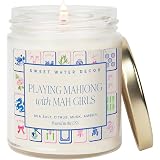
Sweet Water Decor Playing Mahjong with Mah Girls Soy Candle, 9oz Clear Jar | Sea Salt, Citrus, Musk & Amber Scent, 40+ Hour Burn Time, Mahjong Gifts for Women, Unique Game Night Decor, Poured in the USA
$19.99 (as of October 12, 2026 23:06 GMT +00:00 - More infoProduct prices and availability are accurate as of the date/time indicated and are subject to change. Any price and availability information displayed on [relevant Amazon Site(s), as applicable] at the time of purchase will apply to the purchase of this product.)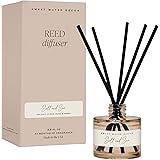
Sweet Water Decor Salt and Sea Reed Diffuser - Sea Salt, Citrus, Musk & Amber Scent - Long-Lasting 4 Month Home Fragrance, Non-Toxic, Aesthetic Home & Bathroom Decor, Made in USA, 3.5 Fl Oz
$29.99 (as of October 12, 2026 23:06 GMT +00:00 - More infoProduct prices and availability are accurate as of the date/time indicated and are subject to change. Any price and availability information displayed on [relevant Amazon Site(s), as applicable] at the time of purchase will apply to the purchase of this product.)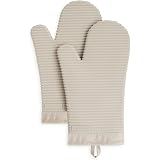
KITCHENAID Ribbed Soft Silicone Oven Mitt 2-Pack Set, 7.5"x13", Milkshake Tan
$11.78 (as of October 12, 2026 14:38 GMT +00:00 - More infoProduct prices and availability are accurate as of the date/time indicated and are subject to change. Any price and availability information displayed on [relevant Amazon Site(s), as applicable] at the time of purchase will apply to the purchase of this product.)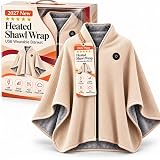
2027 New Heated Shawl Wraps for Women, USB Wearable Blanket | Portable USB Heated Blanket Shawl with 3 Heat Settings & Fast Heating, Home Outdoor Office Use, A great choice for parents
(as of October 12, 2026 21:57 GMT +00:00 - More infoProduct prices and availability are accurate as of the date/time indicated and are subject to change. Any price and availability information displayed on [relevant Amazon Site(s), as applicable] at the time of purchase will apply to the purchase of this product.)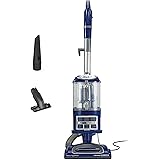
Shark Navigator Lift-Away Vacuum, HEPA, Carpet and Pet Hair, Blue, NV360 | Lift-Away Pod, Carpet and Hard Floor Cleaning, Swivel Steering, Brushroll Shutoff, 0.9-Qt Dust Cup, Upholstery/Crevice Tools
$149.99 (as of October 12, 2026 14:38 GMT +00:00 - More infoProduct prices and availability are accurate as of the date/time indicated and are subject to change. Any price and availability information displayed on [relevant Amazon Site(s), as applicable] at the time of purchase will apply to the purchase of this product.)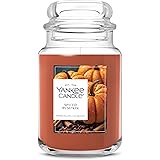
Yankee Candle Spiced Pumpkin Scented Candle, 22oz Large Jar | Up to 150 Hour Burn Time, Room Filling Fragrance, Long-Lasting Scent, Premium Plant Wax Blend, Consistent Burn, Giftable
$36.44 (as of October 12, 2026 14:38 GMT +00:00 - More infoProduct prices and availability are accurate as of the date/time indicated and are subject to change. Any price and availability information displayed on [relevant Amazon Site(s), as applicable] at the time of purchase will apply to the purchase of this product.)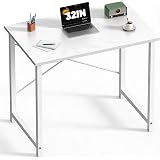
DUMOS 32 Inch Small Computer Desk, Home Office Desks for Bedroom, All White | Modern Study Writing Work Table, Craft PC Gaming Desk Simple Workstation with Reinforcement Structure
$19.99 (as of October 12, 2026 21:57 GMT +00:00 - More infoProduct prices and availability are accurate as of the date/time indicated and are subject to change. Any price and availability information displayed on [relevant Amazon Site(s), as applicable] at the time of purchase will apply to the purchase of this product.)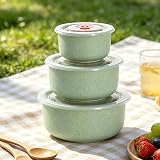
3 Packs Food Storage Containers Set with Lids, Stackable Food Containers for Meal Prep Kitchen Pantry, Green
$3.46 (as of October 12, 2026 21:57 GMT +00:00 - More infoProduct prices and availability are accurate as of the date/time indicated and are subject to change. Any price and availability information displayed on [relevant Amazon Site(s), as applicable] at the time of purchase will apply to the purchase of this product.)